
When it comes to outdoor storage, we often find ourselves asking, “What’s the best way to keep my tools, cushions, and garden supplies organized?” Two popular options are horizontal and vertical storage sheds. I remember standing in my backyard, pondering the same question, and ultimately, it boiled down to what I needed to store and the space I had available.
In this guide, we’ll dive into the pros and cons of both horizontal and vertical outdoor storage sheds, help you figure out which one suits your needs, and share some personal insights along the way. Let’s get started!
|
|
|
|
$399.00
|
$206.10
|
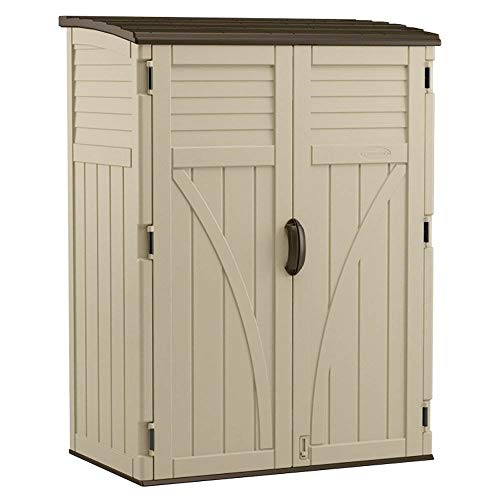
Before delving into the specifics, let’s get a clearer picture of what horizontal and vertical sheds are. Horizontal sheds usually have a wider profile and are great for storing larger items like lawnmowers or patio furniture. They can also double as a bench or a table, which is a bonus in a small yard.
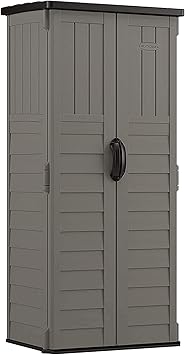
On the other hand, vertical sheds tend to have a taller, more compact design. They’re ideal for smaller spaces and can easily fit in corners or against walls. I’ve found that vertical storage is perfect for keeping gardening tools and supplies organized without taking up too much room.
The first step in choosing the right shed is understanding your outdoor space. Do you have a large backyard with ample room, or is your area more limited?
If you’re like me and have a cozy backyard, a vertical shed might be your best bet. It allows you to maximize vertical space without overwhelming your yard. For those with more room, a horizontal shed could serve as a functional piece of furniture while providing plenty of storage.
Also, consider the layout of your yard. If you have a patio or deck, a horizontal shed could blend in nicely. If you’re short on space but still need storage, a vertical option is an excellent choice.
Next, think about what you plan to store. This is where the decision between horizontal and vertical sheds can become clearer.
Horizontal sheds, like the Suncast Outdoor Storage Shed … 54 cu. ft., provide ample space for bulkier items. I once used a similar shed to store my lawnmower, outdoor cushions, and even some garden tools. The wide design made it easy to access everything without having to dig through a pile of stuff.
In contrast, if you’re primarily storing smaller items like hand tools, pots, or gardening supplies, the Suncast 22 Cu. Ft. Vertical Resin Outdoor Storage Shed is a fantastic option. Its vertical design allows for organized shelving, making it easy to find what you need without rummaging around.
When investing in an outdoor shed, durability and weather resistance are crucial. Both horizontal and vertical sheds can be made from various materials, including wood, metal, and resin. I’ve found that resin sheds, like the Suncast options, are particularly resilient against the elements.
Resin sheds are resistant to rot, rust, and fading, which is essential if you live in a climate with extreme weather. For both types, ensure that the shed has a solid roof and good sealing to protect your items from rain and snow.
Let’s not forget about assembly and maintenance. Some sheds can be a bit of a puzzle to put together. In my experience, resin sheds tend to be easier to assemble than wooden ones. The Suncast sheds come with clear instructions, and the parts fit together well.
Maintenance is another factor to consider. Horizontal sheds might require more cleaning since they can collect debris on top if used as a bench. Vertical sheds can be easier to maintain since they typically have less surface area exposed to the elements.
Ultimately, the choice between a horizontal and a vertical outdoor storage shed comes down to your specific needs and preferences. If you have the space and need to store larger items, a horizontal shed might be the way to go. On the other hand, if you’re working with a tight area and have smaller tools and supplies, a vertical shed can be a perfect fit.
For my money, I lean toward the Suncast Outdoor Storage Shed for its spacious design and versatility. However, if you’re looking for something more compact, the Suncast 22 Cu. Ft. Vertical Resin Outdoor Storage Shed is an excellent choice.
It’s all about finding the right balance between space, storage needs, and style.
In summary, choosing between a horizontal and vertical outdoor storage shed requires careful consideration of your space, storage needs, and the items you want to protect. Both types have their advantages, and understanding these can help you make an informed decision.
If you have a larger collection of outdoor gear, the Suncast Outdoor Storage Shed … 54 cu. ft. is a fantastic option. For those with limited space, the Suncast 22 Cu. Ft. Vertical Resin Outdoor Storage Shed offers a smart solution.
|
|
|
|
$399.00
|
$206.10
|
Horizontal sheds are wider and often provide more storage space for larger items, while vertical sheds are taller and more compact, making them suitable for tight spaces and smaller items.
Consider the items you plan to store and the available space in your yard. Measure your area and think about whether you need to store larger items or smaller tools and supplies.
Yes, resin sheds are generally more resistant to rot, rust, and fading compared to wooden sheds, making them a durable choice for outdoor storage.
Most resin sheds, like the Suncast models, come with clear instructions and can be assembled by one person. However, having an extra set of hands can make the process easier.
Regularly clean the exterior to remove debris and check for any damage or wear. If your shed has a roof, make sure it is clear of leaves and snow to prevent buildup.