

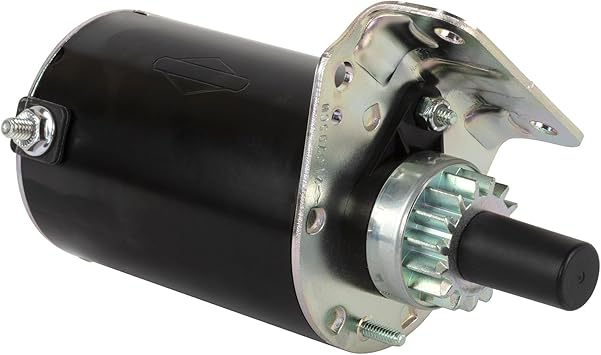
When it comes to maintaining your outdoor power equipment, a reliable starter motor can make all the difference. Whether you’re dealing with a lawn mower, snow blower, or any other small engine device, the starter motor serves as the heart of the ignition system. Today, we’ll be diving into a comparison of two popular starter motors from Briggs & Stratton: the 592599 and the 590476. Having used both in various machines, I’ve gathered enough insights to help you make an informed decision.
|
|
|
|
$129.99
|
|
Before we get into the nitty-gritty of these two models, it’s important to understand what a starter motor does. Essentially, it’s responsible for turning over the engine and starting the combustion process. A well-functioning starter motor is crucial for a smooth start, especially in colder weather or after prolonged periods of inactivity.
In my experience, the right starter motor can save you a lot of headaches. A faulty starter can lead to frustrating attempts at starting your equipment, leaving you with a machine that just won’t cooperate. This can be particularly problematic when you have a tight schedule, such as needing to mow your lawn before an impending rainstorm or clearing snow from your driveway before guests arrive. That’s why it’s worth taking the time to compare options like the Briggs & Stratton 592599 and 590476. Understanding the role of a starter motor can help you appreciate the intricacies of these two models and how they might fit into your equipment maintenance routine.
When it comes to design, both the Briggs & Stratton 592599 and 590476 exhibit solid construction typical of the brand’s reputation. The 592599 is known for its compact design, which allows it to fit into tighter spaces without compromising on performance. I found that this model is particularly useful for smaller lawn mowers or equipment with limited engine compartments. Its lightweight construction also makes it easier to handle during installation, which is a significant advantage for DIY enthusiasts.
On the other hand, the 590476 is slightly larger, but this doesn’t mean it’s any less efficient. The build quality feels robust, and it’s designed to withstand the rigors of outdoor conditions. I’ve noticed that this model tends to have a longer lifespan, especially in machines that are used frequently. The heavier components and reinforced materials used in the 590476 contribute to its durability, making it a reliable choice for those who depend on their equipment for regular, heavy-duty tasks. Both models come equipped with durable components, but if you’re looking for something that can handle heavy-duty use, the 590476 may have the edge. It’s worth noting that the choice of materials in these starter motors can also impact their performance, with higher-quality materials often leading to better efficiency and longevity.
Now let’s talk performance. The 592599 is known for its quick engagement, allowing for a faster start-up time. This can be particularly beneficial when you’re in a hurry to get your lawn care done. However, in colder temperatures, I’ve noticed that it may require a few extra attempts to start, which can be a bit frustrating. This model is best suited for users who operate their equipment in milder climates or who have machines that are well-maintained and regularly used.
Conversely, the 590476 shines in consistent performance across various conditions. It provides a strong cranking power, which is especially useful for engines that experience more wear and tear. I’ve used this starter motor in a snow blower, and it started up reliably every time, even when the temperatures dipped below freezing. The ability to perform well in extreme conditions is a significant advantage for those living in areas with harsh winters or for users who need to start their machines after long periods of inactivity. If you’re often starting your equipment in challenging conditions, the 590476 might be the better choice. The difference in performance can be attributed to the engineering behind the starter motors, with the 590476 designed to handle more demanding applications.
Let’s break down some of the pros and cons of each starter motor.
Deciding between these two models really depends on your specific needs and how you plan to use your equipment. If you have a smaller lawn mower or a device that doesn’t see heavy use, the Briggs & Stratton 592599 could be a great fit. Its compact size and quick engagement make it convenient for lighter applications. This model is particularly appealing for homeowners who perform routine maintenance and prefer a straightforward, efficient starter motor that doesn’t require extensive power.
However, if you frequently use your equipment in harsh conditions or have a larger machine that requires more power, the 590476 is worth the investment. Its durability and reliable performance can make all the difference, especially during peak seasons when you need your equipment to work flawlessly. For professionals or avid users who rely on their machines for extensive tasks, the longevity and consistent performance of the 590476 can justify the higher price point. Understanding your usage patterns is crucial in making the right choice.
When it comes to choosing between the Briggs & Stratton 592599 and the 590476 starter motors, both have their strengths and weaknesses. If I had to recommend one, I would lean towards the 590476 for its superior performance and durability, especially if you use your equipment regularly or in extreme conditions. The investment may be higher, but the reliability it offers can save you time and money in the long run.
|
|
|
|
$129.99
|
|
Ultimately, the choice boils down to your individual needs. Do you prioritize compact design or robust performance? Knowing what you want can help you make the right decision for your outdoor power equipment. Whether you opt for the lightweight and quick-engaging 592599 or the powerful and durable 590476, ensuring you have a dependable starter motor will enhance your outdoor maintenance experience.
The 592599 is more compact and quick to engage, making it ideal for smaller machines. The 590476 offers stronger cranking power and is built for heavy-duty use, making it better suited for larger equipment or harsh conditions.
While both motors can start in cold weather, the 590476 tends to perform better overall in these conditions. It provides more consistent cranking power, which is crucial when temperatures drop, ensuring your equipment starts reliably.
Signs that your starter motor may need replacing include grinding noises when starting, intermittent starting failures, or a complete failure to start. If you’re experiencing these issues, it’s worth checking your starter motor. Regular maintenance and inspection can help identify potential issues before they become significant problems.
Yes, both starter motors can be installed by someone with basic mechanical skills. Ensure you follow the manufacturer’s instructions and safety guidelines to avoid any issues during installation. Having the right tools and a clear workspace can make the process smoother and more efficient.
When choosing a starter motor, consider factors like the size of your equipment, how often you use it, the conditions in which you operate, and your budget. These elements will help you determine which model is the best fit for your needs. Additionally, consider the warranty and customer support offered by the manufacturer, as these can provide added assurance in your investment.