
Choosing the right deck tiles for your concrete surface can feel a bit overwhelming, especially with so many options out there. But fear not! I’ve been down this road myself, and I’m here to share what I’ve learned about which deck tiles are easier to install on concrete. Whether you’re sprucing up your patio, balcony, or backyard space, the right tiles can make all the difference. Let’s dive into the options and see what might work best for you.
|
|

|

|
|
$134.99
|
$109.99
|
$179.99
|
Before we get into the nitty-gritty of specific products, it’s helpful to understand what deck tiles are and why they are a great choice for concrete. Essentially, deck tiles are modular flooring options that can be laid down quickly and easily. They are designed to snap together, making installation a breeze… especially compared to traditional flooring methods.
Most people don’t realize that deck tiles can transform a bland concrete slab into a beautiful outdoor space. When you choose the right tiles, you can create a cozy area for barbecues, gatherings, or just relaxing with a good book. The best part? Many of these tiles are made from durable materials that can withstand the elements, so you can enjoy your outdoor oasis for years to come.
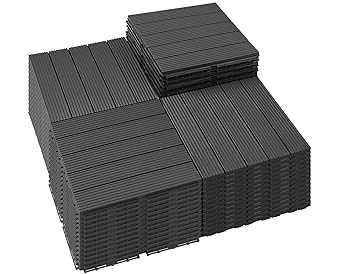
Let’s start with the PrimeZone 54 PCS Interlocking Patio Deck Tiles. These tiles are a popular choice for good reason. Each tile measures 12″ x 12″, and the interlocking design means you can fit them together without any tools. I remember the first time I laid these down; it took me just a couple of hours to cover my small patio area.
One of the standout features of these tiles is their versatility. They come in various finishes, so you can choose a style that best fits your aesthetic. Plus, they are made from high-quality materials that resist fading, ensuring your outdoor space remains vibrant. The ease of installation cannot be overstated. You simply lay them down on your concrete slab, and they lock into place, making them a great DIY project.
However, keep in mind that while they are easy to install, proper preparation of your concrete surface is essential. Make sure it is clean and free from any debris to ensure the tiles sit flat.
Next up are the Goovilla Interlocking Deck Tiles, which come in a pack of 27. Like the PrimeZone tiles, these are also 12″ x 12″ and feature an interlocking design. What I love about the Goovilla tiles is their unique texture that adds a bit of flair to any outdoor space.
Installation is quite straightforward. You can lay them down directly on concrete, and they snap together without the need for glue or nails. In my experience, this makes them a fantastic option for anyone who wants to avoid the mess of traditional flooring installation. The tiles are also made from durable plastic, so they are resistant to moisture and won’t warp or rot over time.
However, I did notice that these tiles can be a bit slippery when wet, so if your outdoor area is prone to rain, it might be wise to consider adding a non-slip coating. Overall, if you’re looking for a stylish and easy-to-install option, Goovilla could be a great choice.
Finally, let’s talk about the 12″x12″ Plastic Interlocking Deck Tiles. This option is great if you’re looking for something that offers a lot of coverage, as the 60 sq. ft pack can cover a decent area. Like the other two options, these tiles are interlocking, which simplifies the installation process tremendously.
One experience I had with these tiles was their impressive durability. They held up extremely well in various weather conditions. The plastic material allows for good drainage, which is a crucial feature if you live in an area that sees a lot of rainfall. They also come in a variety of colors, allowing you to customize your space to fit your style.
Installation is as easy as the other products we’ve discussed. With just a bit of prep work on your concrete surface, you can lay these tiles down in no time. Just make sure to keep an eye on the seams, as they might shift a bit if not properly aligned.
Now that we’ve explored the three options, let’s do a quick comparison. Each of these tiles has its own strengths and weaknesses.
The PrimeZone tiles are known for their ease of installation and aesthetic appeal, making them great for quick DIY projects. The Goovilla tiles offer a stylish texture and are also easy to install, but be cautious in wet conditions. Finally, the 12″x12″ Plastic Interlocking Deck Tiles provide extensive coverage with excellent durability, making them ideal for larger spaces.
If you’re looking for something that’s easy to install, visually appealing, and durable, any of these options would serve you well. However, if I had to recommend one, I’d lean towards the PrimeZone tiles for their balance of style and practicality.
In summary, choosing the right deck tiles for your concrete surface can elevate your outdoor space without a hefty time commitment. The PrimeZone 54 PCS Interlocking Patio Deck Tiles, Goovilla Interlocking Deck Tiles, and 12″x12″ Plastic Interlocking Deck Tiles all have their unique benefits, making them suitable for different needs and preferences.
If you want a quick and stylish update to your outdoor area, I recommend giving the PrimeZone tiles a try. They are easy to install, look great, and will last for years.
While deck tiles can be installed on most concrete surfaces, it’s best to ensure the area is clean, level, and free of debris. If your concrete is cracked or uneven, it might affect the installation and durability of the tiles.
Cleaning your deck tiles is quite simple. Regular sweeping and occasional washing with soap and water will keep them looking fresh. Avoid harsh chemicals that might damage the surface.
Generally, it is not recommended to install deck tiles over existing flooring, especially if that flooring is uneven. It’s best to lay them directly on a clean concrete surface for the best results.
The lifespan of deck tiles can vary based on the material and environmental conditions, but high-quality options like the ones discussed can last anywhere from 10 to 20 years with proper care.
Most deck tiles are made from water-resistant materials, which makes them suitable for outdoor use. However, standing water should be avoided, as it can lead to mold or mildew over time.